
Everyday routines for energy that lasts
An English-language editorial resource from Finland on food, sleep, movement and recovery — written for readers who want their habits to hold up in a dark November and a bright June alike.
What this asks of you: read one chapter, pick one habit, and keep it steady for a fortnight before adding the next.
Reading room, not rulebook
How to read this site
We write for people who want to understand the reasoning, not just a list of rules. Each topic page explains a habit, the Finnish term behind it where one exists, and how to fit it into a normal week.
Reference point for food questions
National nutrition guidance published by THL is where we check any claim about diet before it goes into an article.
What we do not do
We do not sell supplements, and we do not run transformation promises. If a claim cannot be explained, it does not belong here.
Everything on this site is general reading material, not a diagnosis or a treatment plan. If something has been off for weeks, a health professional is the right person to talk to — not an article.
Plant-forward eating, the Finnish way
Finnish diet guidance puts vegetables, berries, whole grains and legumes at the centre, with fish alongside them two to three times a week. This is not strict veganism and it does not require exotic ingredients. Kasviperäinen ruokavalio, as it is used in Finnish nutrition writing, simply means plants carry most of the plate.
Rye bread, oats, potato, cabbage and frozen peas all count toward the same goal.
Fish two to three times a week
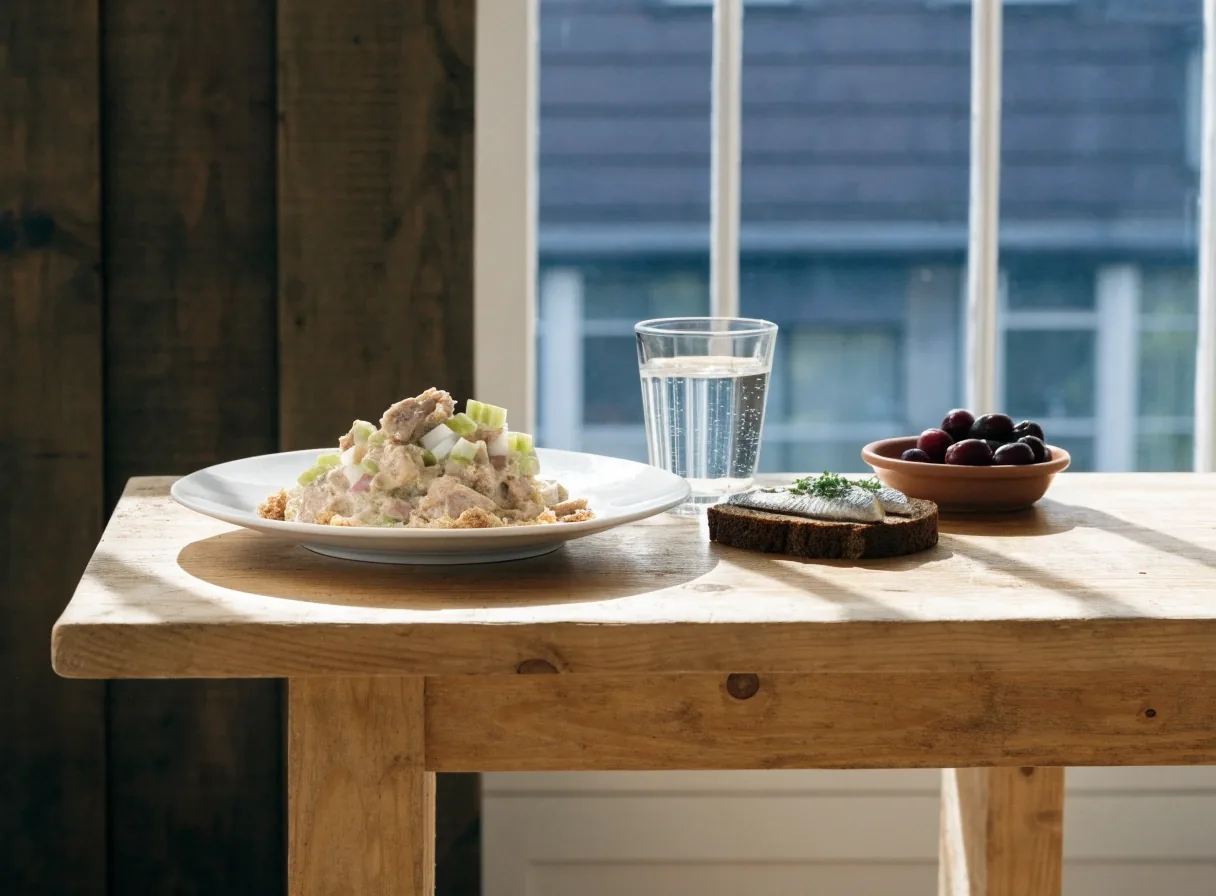
Oven-baked salmon, canned tuna in a lunch salad or Baltic herring on rye all fit the same advice. The point is the pattern across a week, not one impressive dinner.
Whole grain as the base
Rye, oats and barley are ordinary here, which makes this the easy half of the plate to fix. A porridge breakfast and rye with lunch already cover most of it.
Plants carry the plate
Frozen vegetables and berries keep their value, cost less in January, and are what a real Finnish kitchen actually cooks with.

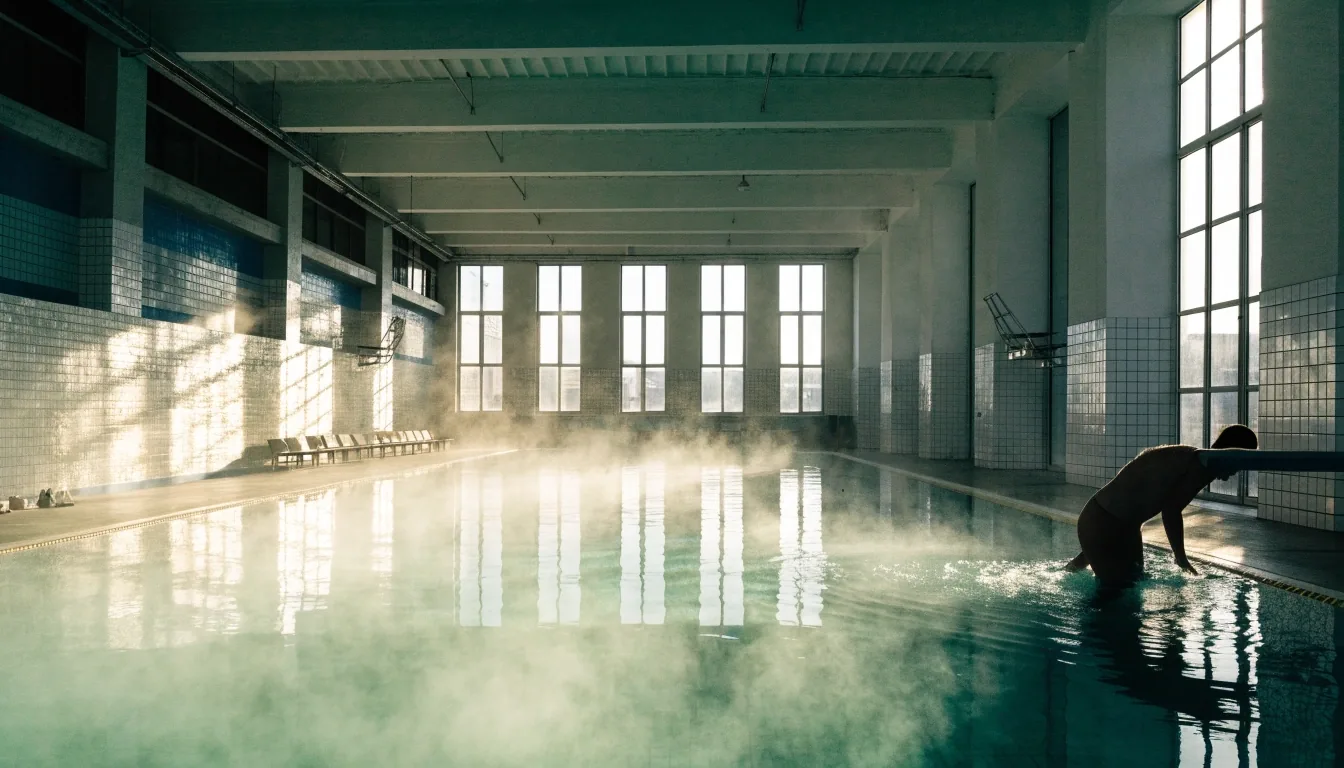
The sauna and the hall behind it sit at the centre of Finnish recovery habits. We treat them as routine, not as a remedy for anything.
What vireystila actually means
Vireystila is the Finnish word for your level of alertness and energy across the day. It shows up in public-health writing about sleep and meals because it is treated as a rhythm, not a personality trait.
You are not a tired person; you are a person whose vireystila dips at certain hours. That framing matters, because a rhythm can be adjusted.
Four levers move it most: when you eat, how much daylight you get, how you move, and how the previous night went.
Start by writing down the hours where you feel the dip. A week of notes usually shows the same two windows repeating.
Start with your meal rhythm, not a diet
Most people in Finland who feel flat in the afternoon are not missing a magic ingredient. They are missing a structure.
Ateriarytmi, the Finnish habit of eating at roughly the same times each day, does more for steady energy than any single food swap. Three meals and one or two planned snacks keep blood sugar and attention from swinging.
Written for a normal working day in Helsinki as much as for a shift that ends at nine in the evening.
Morning
Breakfast within about an hour of waking, even a small one. Porridge with berries or rye with egg carries a working morning further than coffee alone.
Midday
Lunch at a steady hour, with vegetables and a protein. Canteen lunch works fine; the timing matters more than the menu.
Afternoon
One planned snack between lunch and dinner. This is the gap where most afternoon dips start, and where an unplanned biscuit usually lands.
Evening
A lighter last meal, finished a couple of hours before bed. It tends to make the following morning easier.
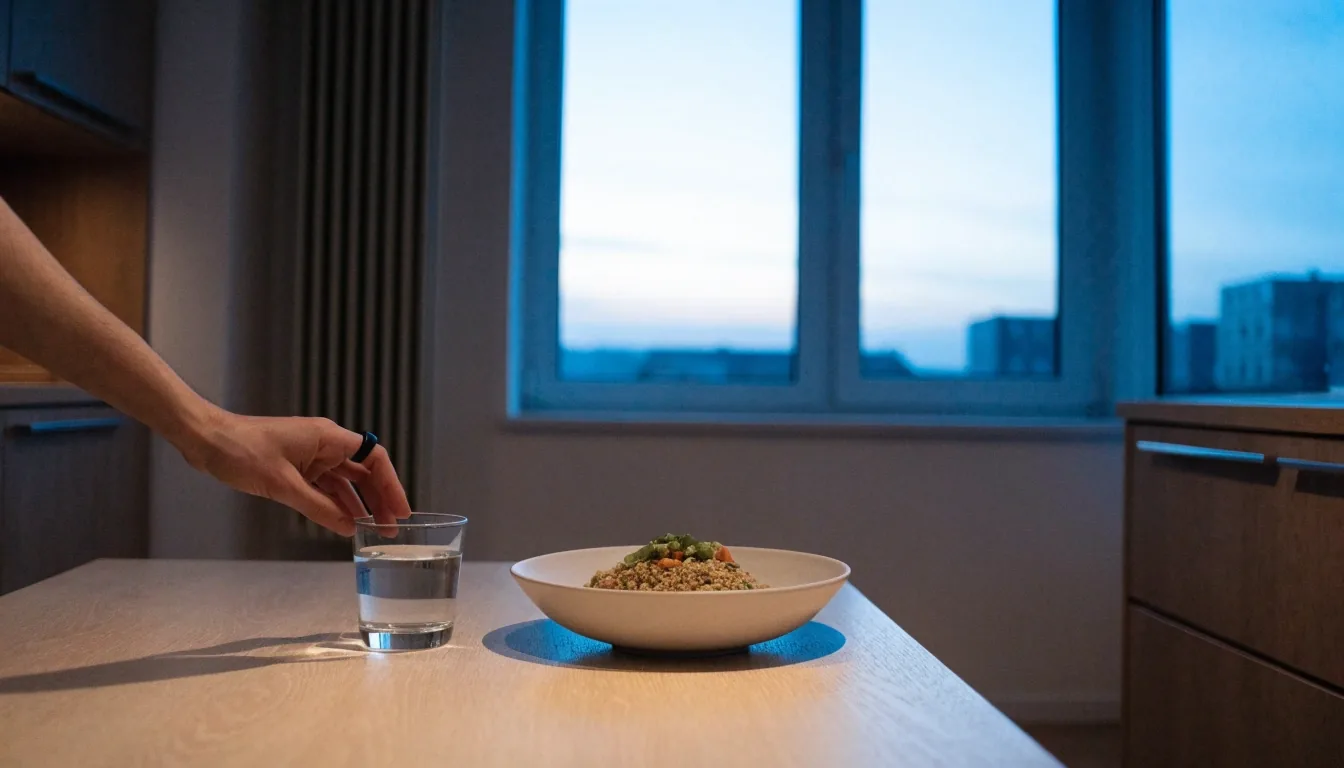
A planned afternoon snack is a small change with a large effect on the last hours of a working day.
Fatigue prevention without gimmicks
Afternoon fatigue is common, and it rarely has a single cause. Long gaps between meals, a heavy late dinner, too little natural light and a short night all pull in the same direction.
There is no supplement that repairs a broken ateriarytmi, and we say so plainly. The goal is functional capacity: enough energy to work, move, and still have an evening.
Change one of the four causes for two weeks before adding anything new.
If the dip lands at the same hour every day, look at what you ate three hours earlier.
Daylight is the lever people skip. Twenty minutes outdoors counts even on a grey day.
Sleep as the base of the routine
Säännöllinen uni means regular sleep, and in Finnish guidance it matters as much as duration. Adults generally need somewhere in the range of seven to nine hours, but the steadier signal is going to bed and waking at similar times.
We cover evening meal timing, the jälkiruoka välipalaksi idea of moving dessert earlier in the day, and why a lighter last meal often means an easier morning. Recovery is not a reward for a good day; it is part of the day.
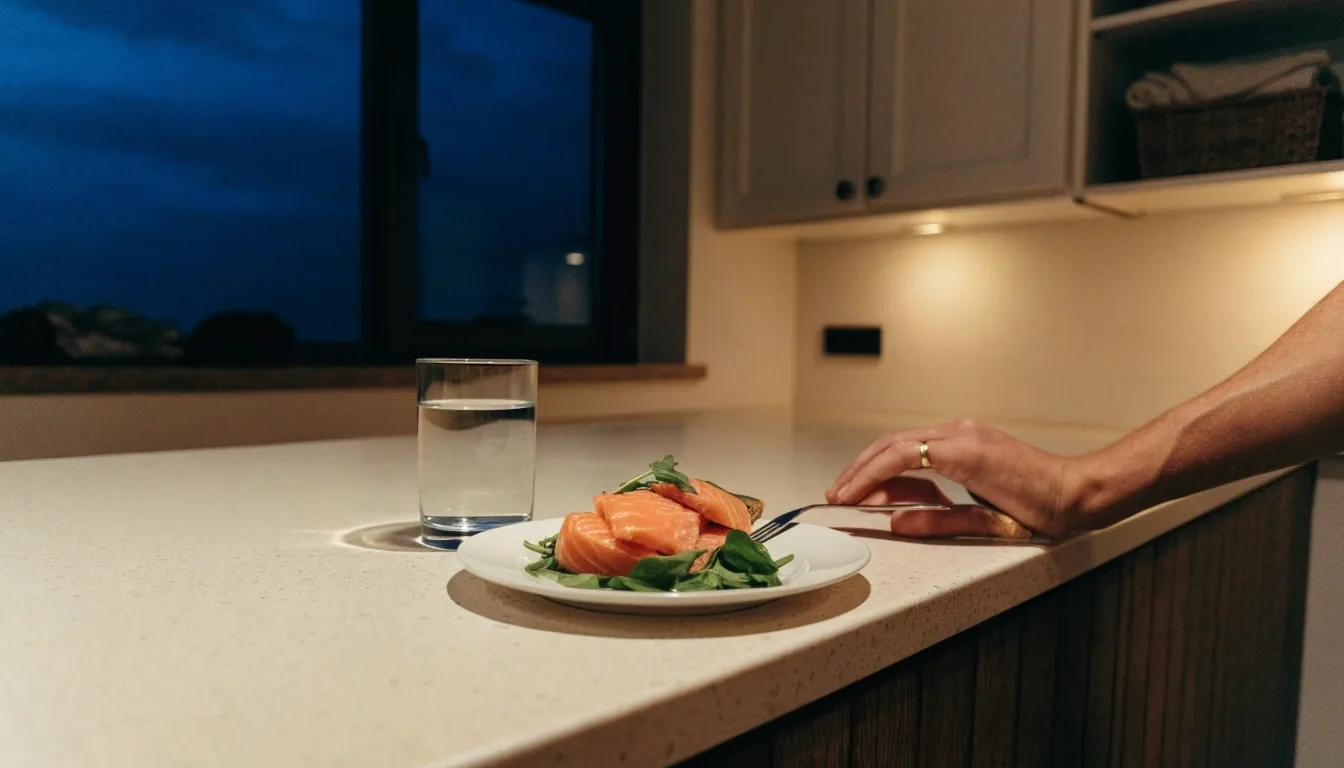
Move dessert earlier in the evening, keep the last meal light, and keep the wake time fixed on weekends too. The bedtime usually follows on its own.
Movement that fits Finnish seasons
Kestävyysliikunta, endurance-style movement, supports sleep and long-term health without requiring a gym. Walking, cycling, skiing and swimming all count, and Finland makes several of them easy for much of the year.
Our guidance starts from what you will actually repeat in February, not what looks good in a plan. Consistency beats intensity for most readers, especially when the roads are icy and the daylight is short.
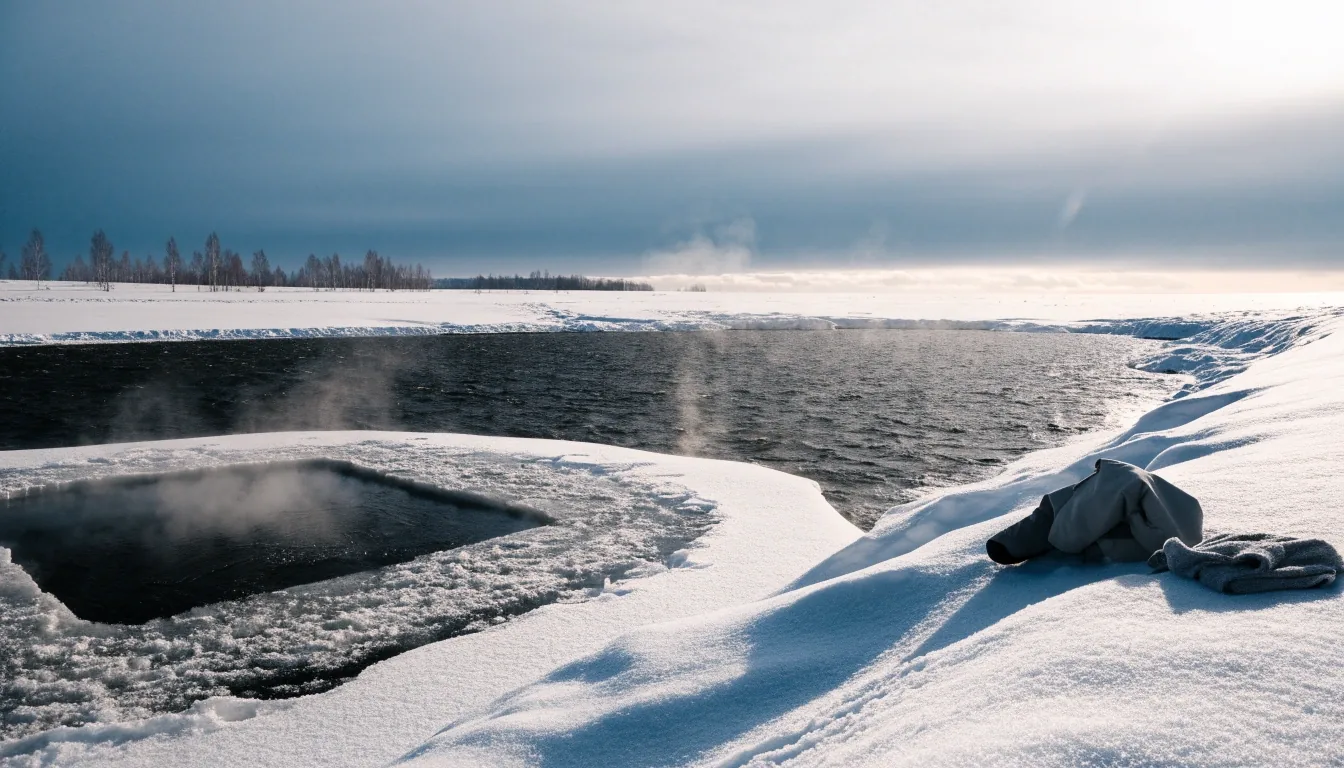
Outdoor swimming belongs to a broader recovery culture, alongside walking, breathing and quiet evenings.
Cold water and sauna
Outdoor swimming appears in Finnish lifestyle coverage all year, usually paired with sauna and framed as stress relief. We describe it as a lifestyle habit rather than a treatment for anything.
Winter planning
Vitamin D supplementation, lighter evening meals, calming routines and time outside when there is any light at all. Winter is a season to plan for, not a personal failure.
Long-term body care
Skin in dry indoor air, joints after a cold swim, recovery after a long ski. Body care here means routines you keep for decades, not a spring overhaul.
Living through the low-light season
Dark-season wellbeing is one of the most searched topics among English-speaking residents in Finland, and the advice is refreshingly concrete. Vitamin D supplementation, lighter evening meals, calming routines, and time outside when there is any light at all.
We treat winter as a predictable season to plan for, not a personal failure. Pages here link the seasonal habits back to sleep, mood and next-day energy.
Plan your dark-season routineContext
What the Finnish benchmarks tell us
Finland's life expectancy sits at 81.6 years, slightly above the OECD average. Good routines are common here.
Around 12% of adults still do not get enough physical activity. The remaining gap is mostly about daily consistency rather than knowledge.
National nutrition guidance from THL is the reference point for food questions, and we say so on every page where diet is the subject.
Those numbers are a backdrop, not a promise. They tell you what an average looks like, not what your own week will look like.
Questions readers send us most
Short answers to the things people in Finland ask before they start changing anything.
How many hours of sleep do adults actually need for good energy?
Most adults do best somewhere between seven and nine hours, but regularity matters as much as the number. Going to bed and waking at consistent times supports energy more reliably than chasing a single perfect night.
What does a Finnish healthy diet look like in everyday meals?
Vegetables, berries, whole grains and legumes form the base, with fish two to three times a week. Meals are eaten at fairly steady times, and dessert is often moved earlier in the day as a snack.
Why is afternoon fatigue so common?
It usually comes from a combination of long gaps between meals, low daylight, and a short night. Changing one of those at a time is more effective than adding a supplement.
How should sleep habits change in the dark Finnish winter?
Keep wake times steady, get outside during the brightest hours, keep evening meals lighter, and follow Finnish vitamin D guidance for the low-light months. The routine stays similar; the light exposure is what changes.
Where to start on a normal week
Pick the chapter that matches the hour you find hardest, keep one habit steady for two weeks, and add the next one only after it holds. Write to the editorial team if something in an article does not add up.
Mannerheimintie 42, 00100 Helsinki · Monday to Friday 9:00–18:00, Saturday 10:00–14:00