
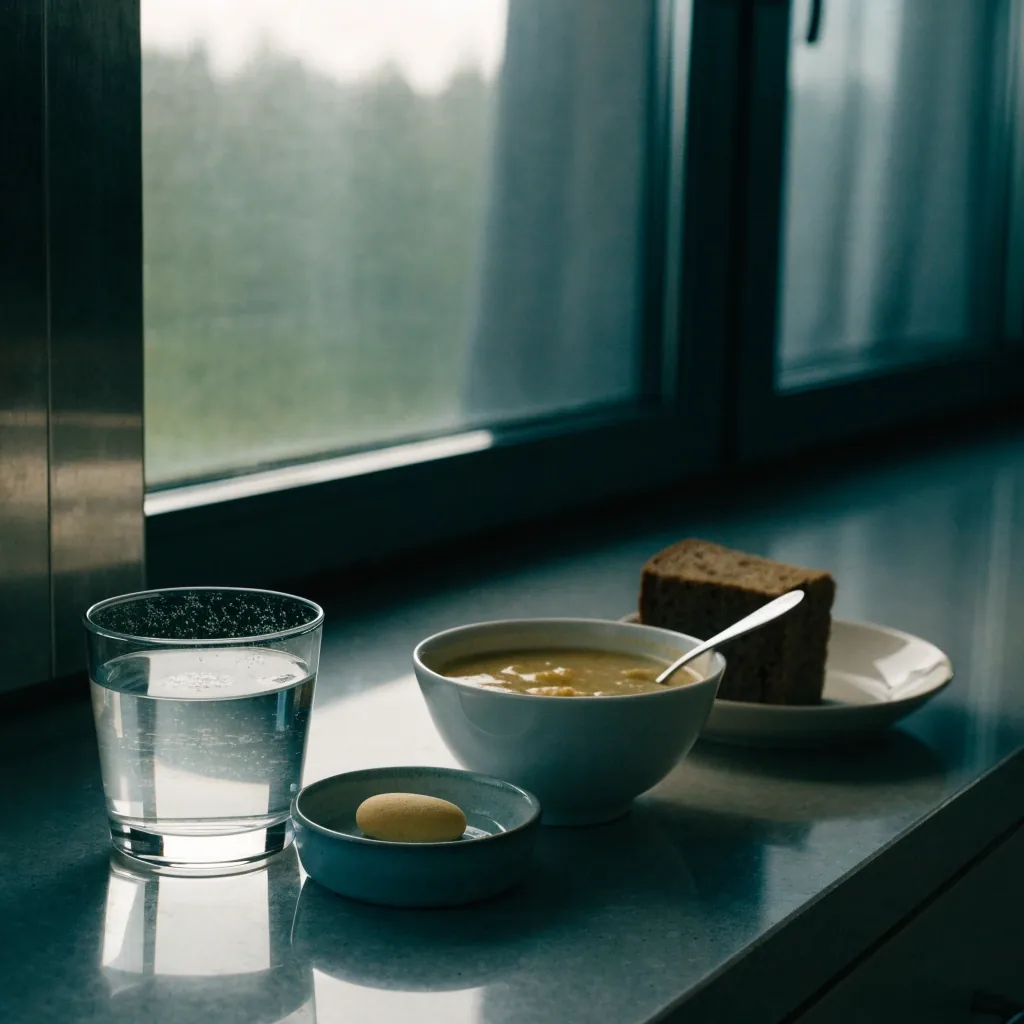
Low light, planned for
Finland's dark season runs on a calendar, not on chance. This page covers what actually changes between November and February, and the seasonal habits that carry you through it.
Daylight, evening, sleep. The three things the season actually tests, and the order most people notice them failing.
What the season asks of you: a steady wake time, a vitamin D habit, lighter evenings, and light on your face before noon.
What the low-light season changes
From roughly November to February, daylight in Finland is scarce, and mornings stay dark well past the alarm. The daily rhythm loses its strongest cue: the sunrise that normally tells the body when to start. What you notice first is usually slower starts and earlier evening tiredness.
None of this is unusual, and treating it as a seasonal adjustment rather than a personal failing is the more useful framing. The plan below is deliberately small. It assumes the season will be long and works on the things you can keep doing in the middle of it.
Shorter cue
Weak morning light gives the body less to work with.
Longer evenings
Darkness arrives early and invites later nights.
Less vitamin D
Sun exposure stops contributing for the season.
Vitamin D in Finnish winter guidance
A Finnish winter health guide notes that people in Finland do not get enough vitamin D from the sun in winter and suggests 10 micrograms of vitamin D supplementation per day in that context. It is a seasonal, preventive habit rather than a general wellness add-on, and one of the few supplements with clear seasonal reasoning behind it.
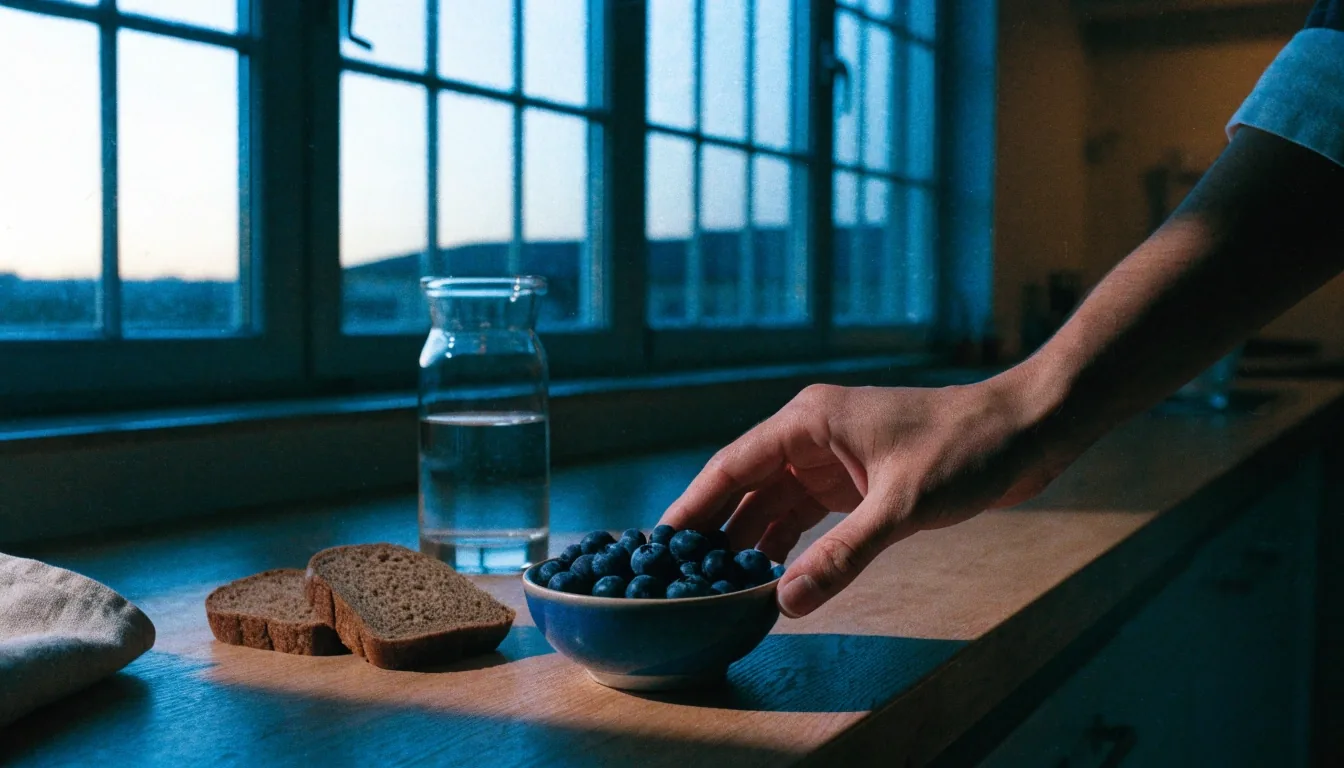
Winter nutrition guidance keeps landing on the same idea: make the evening meal the lighter one, and move dessert earlier in the day where it does less to the night.
Lighter evening meals and easier mornings
Heavy late dinners are more noticeable in winter, when activity drops and the evenings are long. Finnish meal-planning advice suggests keeping evening meals lighter and moving dessert earlier in the day as a snack. The effect is practical rather than dramatic: easier digestion, less heaviness at bedtime, and often a better morning.
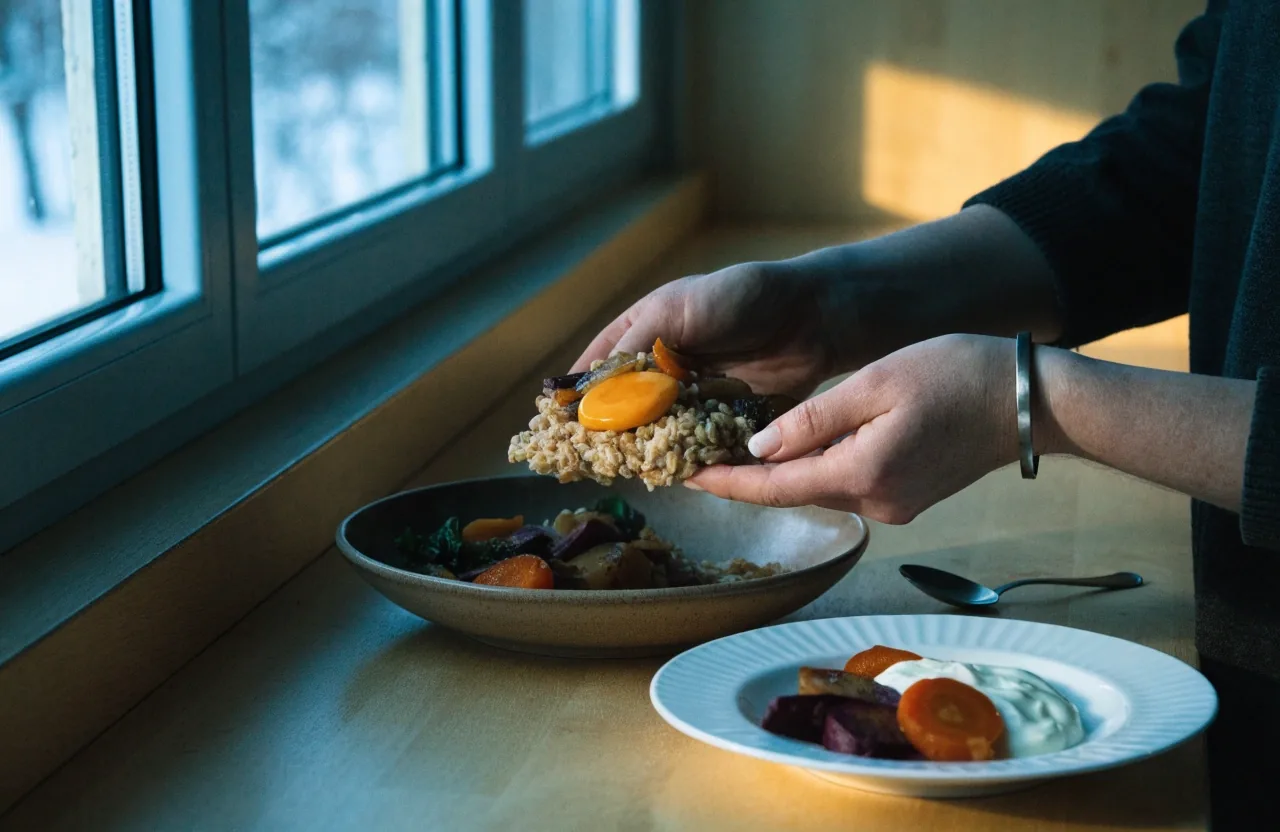
Make lunch the cooked meal
Shifting the main cooked meal to lunch is the simplest version of the whole idea. It moves the heaviest food to the part of the day when there is still activity to meet it, and leaves the evening for something easy.
Keep the plate small
Soup, a slice of rye, an egg. Enough to finish the day without asking the body to work through the night.
Shift dessert earlier
The same sweet thing eaten at three in the afternoon lands differently than at nine at night.
Getting light when there is little of it
Morning light, even weak winter light, helps set the daily rhythm. Getting outside before noon supports alertness more than most indoor solutions, and it costs nothing but a coat.
On the darkest days the goal is exposure rather than brightness. A walk at lunchtime, a short break outdoors during the working day, and a habit of not staying inside from dark to dark. Natural daylight stays the reference point; a light-therapy lamp is an extra, not a replacement.
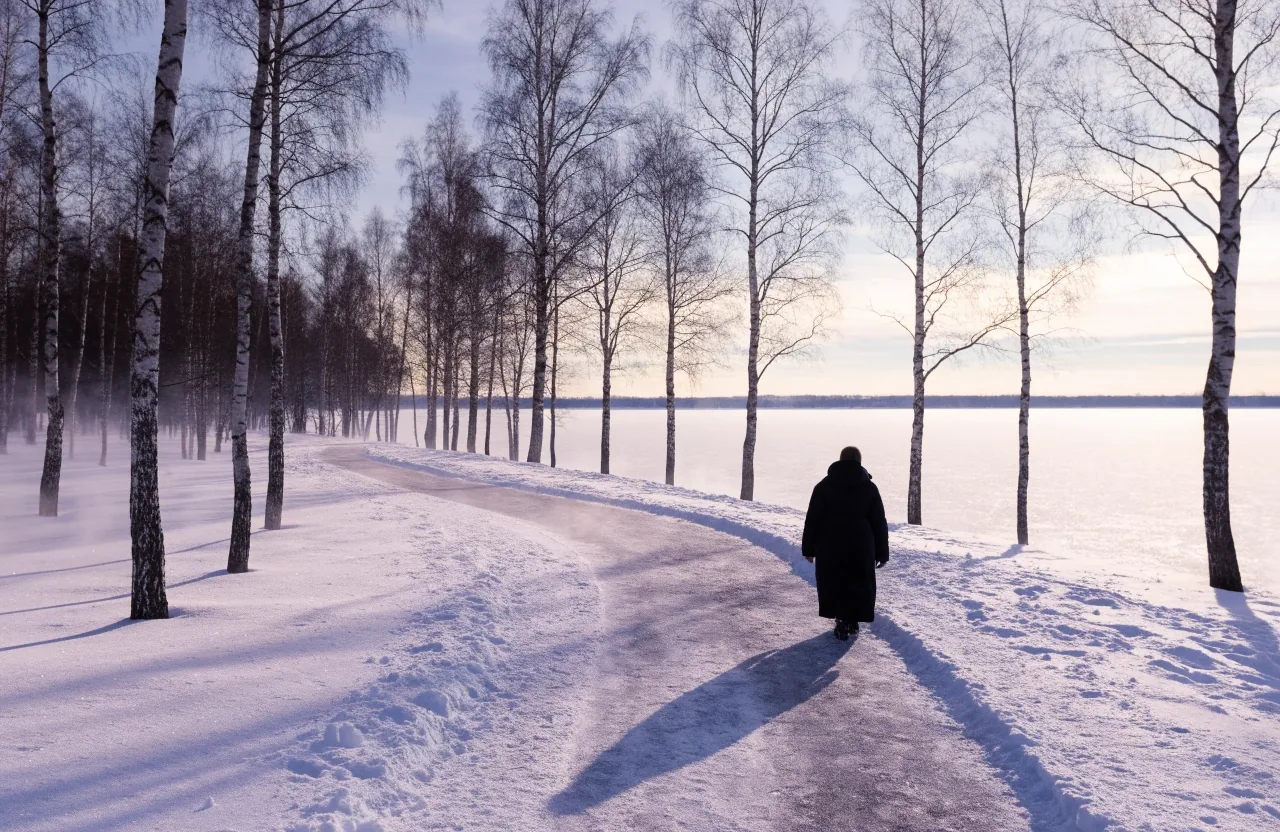
Lunchtime is the reliable window in December and January: the only hours with usable daylight, and the ones most often spent indoors.
Calming routines for long evenings
Long dark evenings invite more screen time and later nights, which then make the mornings harder. The point of an evening routine is to give the evening a shape, not to fill it. Four things that hold up through the season:
- A fixed stop time A set hour when work ends, whether or not it is finished. The evening needs a beginning to have an end.
- Heat, then cool A warm shower, or sauna where you have one. Finnish recovery habits fit this part of the evening naturally.
- Light reading, low light Paper if you can, dimmed screens if you cannot. The brightness of the room matters more than the content.
- The same bedtime Consistency does the work here. A stable bedtime is what keeps the winter mornings from getting progressively worse.
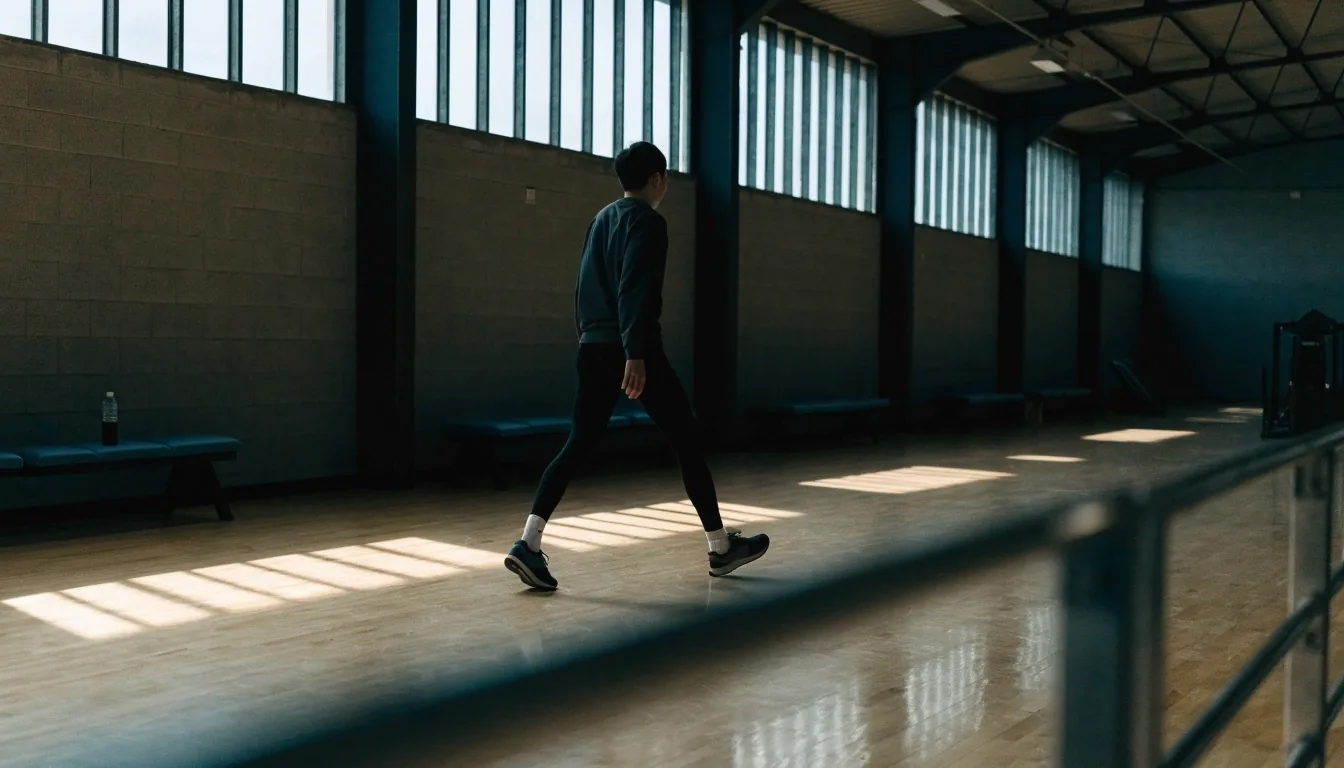
Indoor movement carries the winter months in Finland: pools, halls, gyms. Frequency matters more than intensity, and a short session you repeat beats a long one you skip.
Movement and mood through the season
Regular movement supports mood as well as energy, and winter makes it easier to skip. Walking, skiing, and indoor endurance work such as cycling or swimming all count. The useful target is frequency rather than intensity, since consistency is what carries you through four months of short days.
A short daily walk in the cold often does more than a single long session, because it also puts you in whatever daylight the day is offering. If the choice is twenty minutes outside or nothing, take the twenty.
Outside, when the light is
A midday walk doubles as daylight exposure. The cold is the cost; the light is the return.
Inside, when it is not
Pool lanes, a stationary bike, stairs at home. Winter makes indoor options matter.
Whatever you pick, keep the same days. A schedule you can hold at the end of a dark week is worth more than a plan that only works on a bright one.
Planning the transition out of winter
The low-light season ends gradually, and the routine that carried you through it does not need to be abandoned all at once. Keep the steady wake time and the vitamin D habit through early spring, then let the light do more of the work as the mornings lengthen.
This transition is easier if you plan it in advance rather than dropping everything on the first bright week. Seasonal resilience is a skill you build year over year, and next November starts from wherever this one leaves you.
Questions readers send us about the dark season
Why is vitamin D emphasised so strongly in Finland?
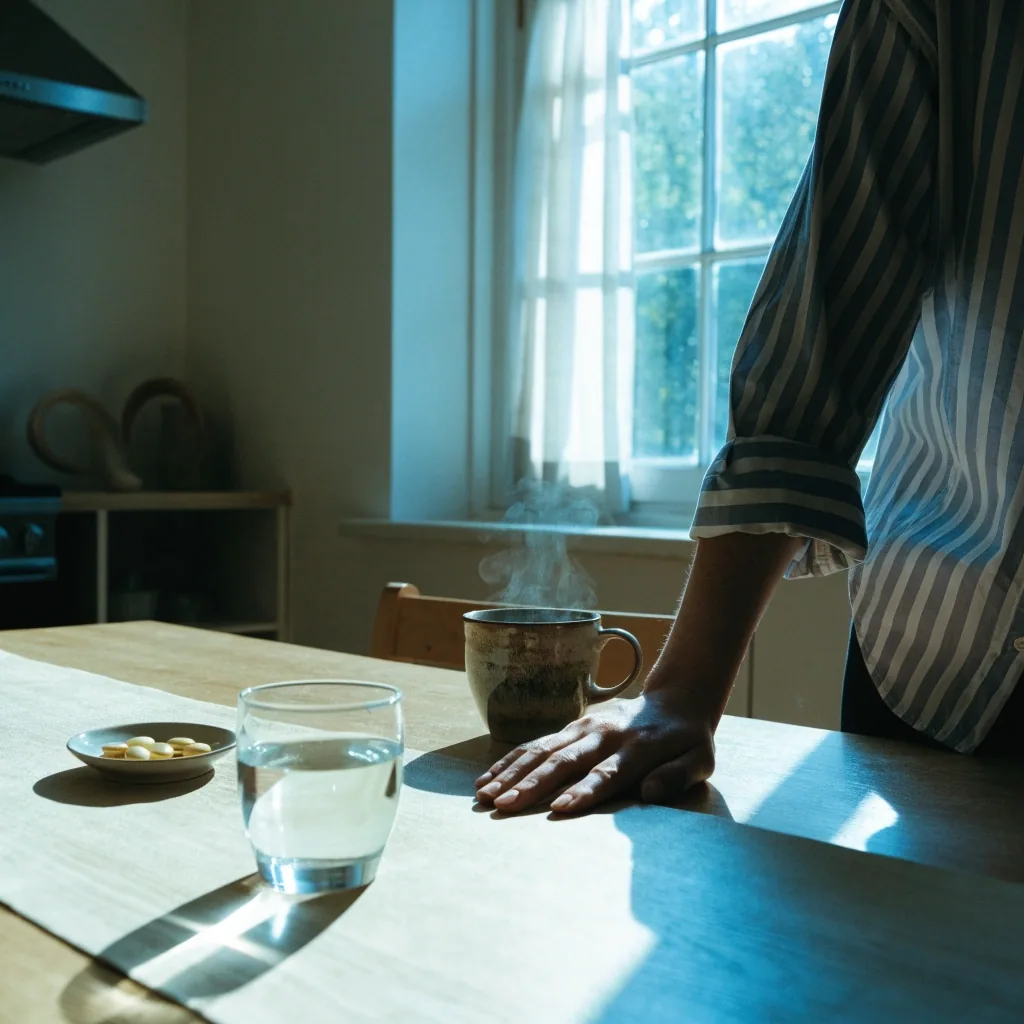
Finnish winter guidance notes that sunlight is not enough for vitamin D in winter here and suggests 10 micrograms per day in that context. It is a seasonal preventive habit rather than a general supplement routine, and it is worth confirming with a clinician if you take other medication or manage a condition.
Is low mood in winter something to treat?
Seasonal changes in energy and mood are common, and routines help. Persistent low mood that affects daily life deserves a conversation with a clinician rather than more self-adjustment. This page is lifestyle guidance, not treatment advice.
Do light-therapy lamps help?
Some people find them useful for a morning routine and alertness. They are an option rather than a requirement, and natural daylight remains the primary cue wherever it is available. If you try one, give it a fixed place in the morning rather than adding it to the evening.
If the season is already wearing on you
Start with the smallest habit that holds: one walk in the daylight you have, one steady bedtime, one mindful evening meal. The editorial team reads every message, and questions about the site's guidance are welcome.
Editorial office: Mannerheimintie 42, 00100 Helsinki, Finland · Mon–Fri 9:00–18:00, Sat 10:00–14:00